Brazilian flavors can give familiar winter dishes a fresh appeal—and help U.S. grocery stores and restaurants create seasonal reasons to shop, order, and come back. The strongest approach pairs recognizable comfort food with Brazilian ingredients, convenient preparation, and clear value.
What winter shoppers are looking for
Cold-weather meals often center on dishes people already know: soups, pasta, roasted meats, hearty sides, and warm desserts. For retailers and restaurants, familiarity can make a new flavor feel approachable, while a distinctive Brazilian ingredient gives the dish a reason to stand out.
Value is just as important. A 2026 McKinsey report says 60% of surveyed consumers consider getting good value more important, while shoppers are comparing prices, using promotions, and making more deliberate choices.[5] That makes it useful to show not only what a product costs, but how it fits into a practical meal.
Brazilian products to feature from Triunfo’s seasonal guide
Triunfo’s guide includes products that can be incorporated into winter meals and seasonal promotions:[1]
- Amafil ready-to-serve farofa: Baiana, mild, carne seca, costelinha, and corn varieties.
- Pingo Doce frozen vegetables: peas and sliced potatoes, plus sweet corn.
- Milaneza pasta: including elbow pasta suitable for soups and baked dishes.
- Amafil seasonings: complete seasoning with or without pepper.
- Mineiro pão de queijo mix and Guaraná starch: for Brazilian-inspired snacks and sides.
- Triunfo biscuits and Bauducco toast: for snacks and dessert ideas.
- Pingo Doce iced tea: lemon and mango varieties.
- Pingo Doce canned fruit: pineapple slices and peaches in syrup.
Check current availability and product details with Triunfo before publishing promotional materials or planning a campaign.
Make Brazilian flavors feel familiar
The easiest way to introduce a new product is to connect it to a meal shoppers already recognize.
- Serve farofa alongside roasted chicken, turkey, or vegetables.
- Add elbow pasta, peas, corn, or sliced potatoes to soups and baked casseroles.
- Use pão de queijo mix to offer a warm, shareable snack.
- Pair biscuits or toast with coffee, tea, or a simple dessert.
- Present canned fruit as an easy dessert topping or side.
Use straightforward descriptions such as “a crunchy side for roast chicken” or “add to soup for a heartier meal.” This helps shoppers understand how to use an unfamiliar product without needing prior knowledge of Brazilian cuisine.
Build meal solutions, not just product displays
A seasonal display can combine a main dish, side, and dessert or beverage into one easy-to-shop idea. For example, a “Brazilian-inspired winter dinner” could pair roasted chicken with farofa and vegetables, followed by biscuits and tea.
Restaurants can test a limited-time special that adds a Brazilian side or flavor to a familiar entrée. A seasonal menu item lets operators gauge customer interest before making a longer-term commitment.
Make value visible by showing the price of a complete meal, the number of servings, or the convenience of the preparation. Avoid savings claims unless they have been verified against actual costs.
Marketing ideas for stores and restaurants
- In-store: Create a seasonal display with complementary products, recipe cards, and clear usage suggestions.
- Sampling: Offer small tastes of dishes featuring farofa, pão de queijo, or Brazilian-inspired soups, following local food-safety requirements.
- Social media: Share short recipe videos, simple meal combinations, and shopping lists.
- Email and digital ads: Promote products and offers available at nearby participating locations.
- Restaurants: Test a limited-time winter dish or combo and track orders, margin, and repeat visits.
- Community partnerships: Work with local organizations, events, and creators whose audiences are interested in Brazilian food and culture.
Measure what works
Set a baseline before the promotion, then monitor:
- Units sold and revenue for featured products.
- Gross margin after discounts and activation costs.
- Basket size and sales of products purchased together.
- Coupon, sampling, or digital-campaign conversion.
- Repeat purchases during and after the promotion.
- Results by store, neighborhood, and sales channel.
Sales growth alone does not guarantee a successful campaign. Compare revenue with margin, promotion costs, and waste to understand whether the activity generated profitable growth.
Turn comfort into discovery
Brazilian flavors can make winter comfort food more distinctive without making it feel unfamiliar. By pairing products from Triunfo’s seasonal guide with classic soups, roasts, pasta dishes, and easy desserts, grocery stores and restaurants can create accessible ways for customers to try something new. Start with a focused selection, make the meal idea clear, and expand the offers that deliver both sales and margin.
Frequently Asked Questions
How can Brazilian flavors make winter comfort food more appealing?
They add a distinctive twist to familiar dishes. Pairing Brazilian products with soups, roasted meats, pasta, and baked meals lets customers explore new flavors while still choosing foods they recognize. This approach reflects the broader appeal of comfort foods and familiar dishes with global influences in 2026.[2][5][9]
Which Brazilian products from Triunfo’s seasonal guide work well for winter meals?
The guide features Amafil ready-to-serve farofa in Baiana, mild, carne seca, costelinha, and corn varieties. It also includes Pingo Doce frozen peas, sliced potatoes, and sweet corn, as well as Milaneza pasta, which can be used in soups and baked dishes.[1]
What is farofa, and how can customers serve it?
Farofa is a toasted cassava-flour side dish commonly served with savory meals. Customers can try it alongside roasted chicken, turkey, meat, or vegetables. Retailers can make the product easier to understand with a simple serving suggestion on shelf signage or a recipe card.
How can stores introduce Brazilian products to shoppers who are new to them?
Connect the products to familiar meals and describe their use plainly. For example, suggest adding pasta, peas, corn, or potatoes to soup, or serving farofa with roast chicken. Recipe cards, product demonstrations, and sampling can help customers feel more confident trying something new.
Why combine Brazilian flavors with familiar comfort foods?
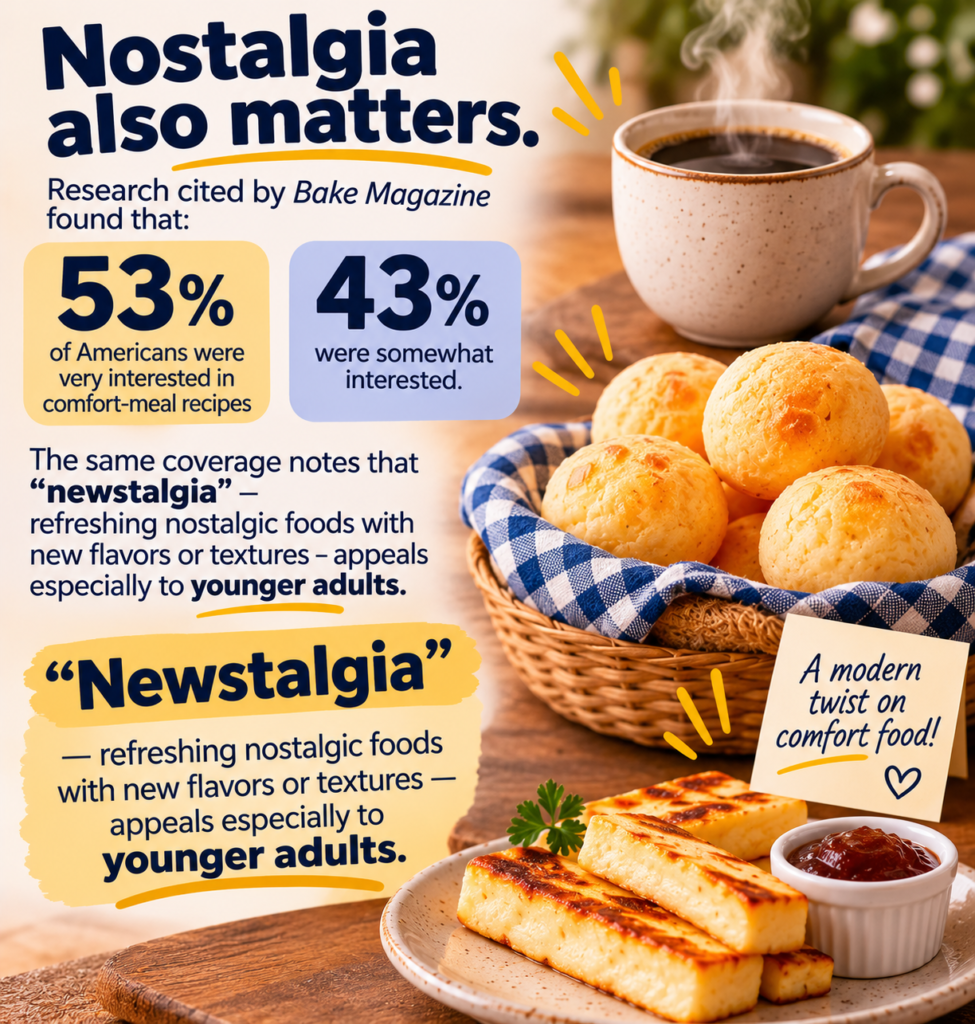
Familiar dishes can make new ingredients feel more approachable. In 2026, U.S. food trends point to continued interest in comfort food, nostalgia, value, and familiar favorites updated with global flavors.[2][5][9]
How can supermarkets create a Brazilian-inspired winter promotion?
Build a meal-focused display with complementary products, recipe ideas, and clear pricing. For example, a display could pair farofa with ingredients for a roast dinner, or pasta and vegetables for a hearty soup. Promote the meal occasion—not just individual products.
How can restaurants use Brazilian flavors on winter menus?
Restaurants can test a limited-time special that adds a Brazilian side or ingredient to a familiar entrée. A seasonal dish or combo allows the team to measure customer interest, sales, and margin before deciding whether to keep it on the menu.
What is the best way to communicate value?
Show how the products fit into a complete meal, how many people it serves, or how they make preparation easier. Value-conscious shoppers consider more than the lowest price: quality, taste, convenience, and overall experience can also shape perceptions of value.[5][10]
How can retailers and restaurants measure whether a campaign worked?
Track product sales, revenue, gross margin, basket size, sales of associated items, campaign conversions, and repeat purchases. Compare results with a baseline and account for discounts, promotion costs, and waste.
Which seasonal products can be used for snacks or desserts?
Triunfo’s guide includes pão de queijo mix, biscuits, Bauducco toast, and canned pineapple and peaches. These can support warm snack, coffee-break, or dessert ideas, depending on the product and recipe.[1]
Are the products mentioned in the article guaranteed to be available?
No. Product listings in the guide are a reference for campaign planning; availability can change. Confirm current assortment and stock with Triunfo before publishing promotions.
Sources
- Triunfo Foods. Guia de Thanksgiven Triunfo. Product catalog. Accessed November 16, 2026. [1]
- “Comfort, ‘Newstalgia’ Remain Trendy with Consumers.” Bake Magazine, July 11, 2025; updated October 19, 2026. [2]
- McKinsey & Company. The State of Grocery North America 2026. June 17, 2026. [3]
- American Culinary Federation. The Top 10 Foodservice Trends for 2026. 2026. [4]
- National Restaurant Association. 2026 What’s Hot Culinary Forecast: Smashed Burgers, Global Comfort, and Value Top the List. November 19, 2025. [5]
- Penn State Extension. Food Trends 2026. March 6, 2026. [6]