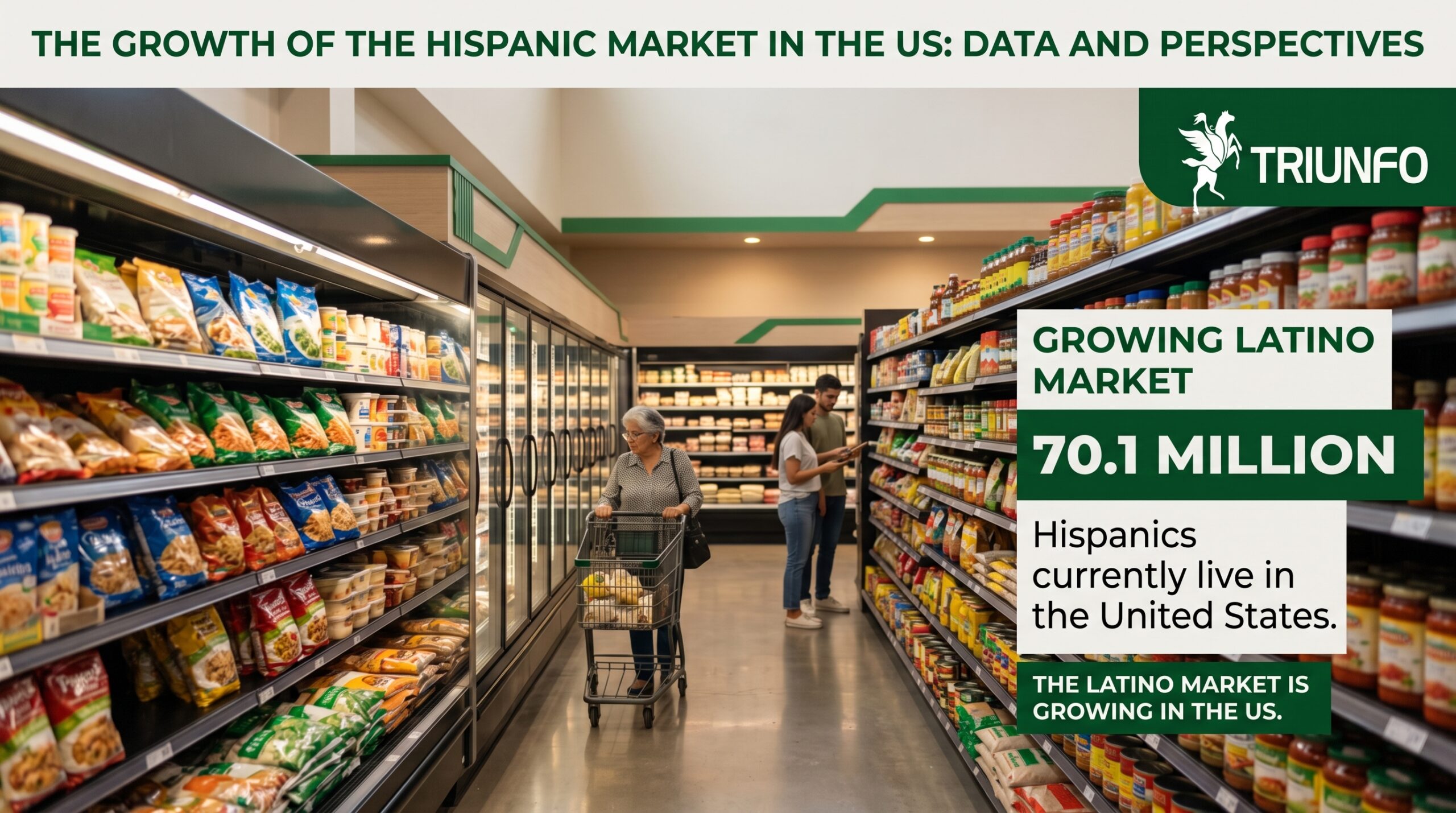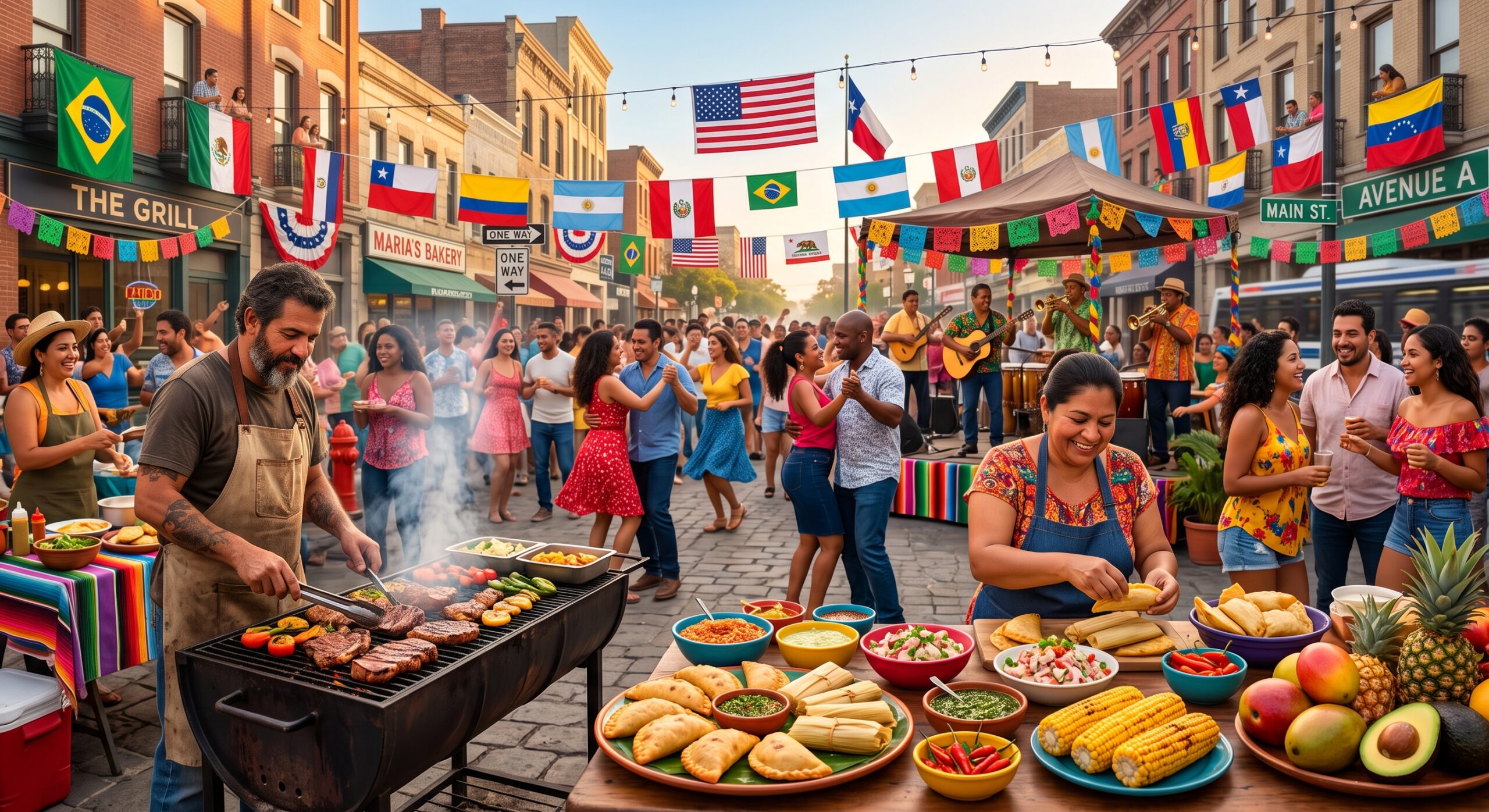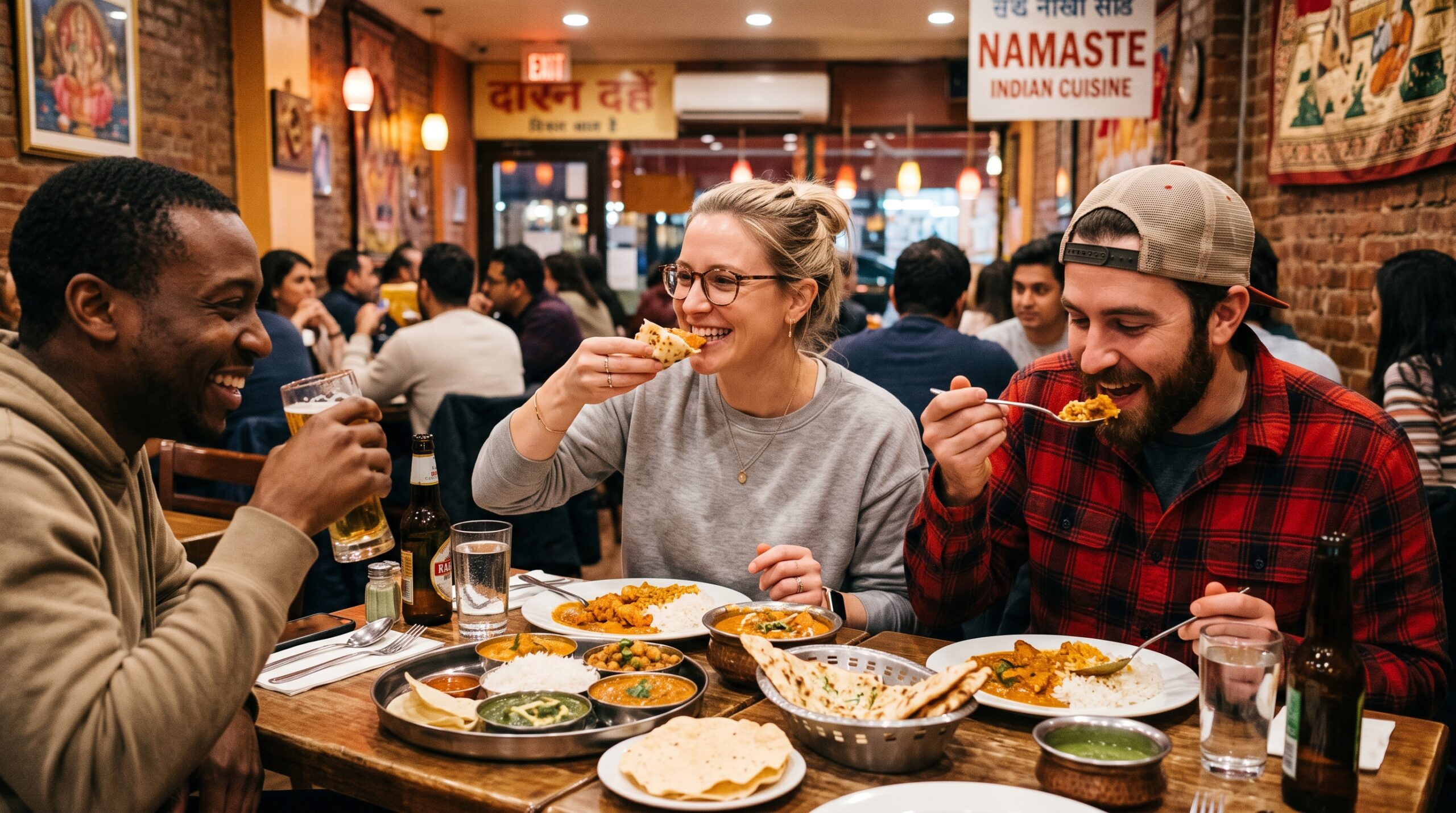
In the United States, ethnic foods no longer serve only immigrant communities. Brazilian, Latin American, Asian, African, and Middle Eastern products are winning over American consumers who want authentic ingredients, new flavors, and convenient meals.
Travel, immigration, and increasingly multicultural identities are driving this interest. According to research cited by Food Business News, 37% of consumers always or regularly seek out foods, flavors, or ingredients inspired by places they have visited.
For companies in this sector, that is a clear advantage. They offer culture, emotional connection, and a point of difference that generic products can’t copy.
What Drives Global Flavor Consumers
Three factors explain the category’s growth:
- Authenticity: consumers want real ingredients and recipes, not generic versions of a foreign cuisine.
- Convenience: practical solutions bring global flavors into the everyday American routine.
- Discovery: interest in regional cuisines and bold ingredients keeps growing.
The Opportunity Lies in Combining Authenticity and Convenience
The strongest market trend goes beyond “ethnic food.” It is accessible authenticity. Consumers want real flavors, but they also want everyday convenience, with options like:
- Frozen or refrigerated meals that are ready to heat
- Meal kits with the ingredients for a traditional recipe
- Ingredients with recipes via QR code that show how to use them on the spot
- Products for the air fryer, microwave, or stovetop that are quick and foolproof
Food Business News reports growing demand for restaurant-quality dining experiences at home, including heat-and-eat, refrigerated, and frozen products. This interest is also driven by a desire to learn the stories behind global flavors.
For companies in the sector, the advantage comes from offering both: the original flavor and the ease that fits the American routine.
Authenticity: The Key Differentiator
To someone unfamiliar with the cuisine, a bag of cassava flour or a can of guaraná is just another item on the shelf. To someone who knows it, it’s a recipe, a tradition, or a family memory.
That’s why companies grow when they help customers understand the product: where it comes from, how it’s eaten in its country of origin, and what it pairs with. Authenticity doesn’t have to mean complicated messaging. The best approach is to keep the product’s origin and explain how to use it clearly.
Examples:
- Pão de Queijo → Brazilian Cheese Bread: naturally wheat-free cheese rolls, ready in minutes.
- Farofa → a crunchy side for barbecue, rice, and beans.
- Guaraná → Brazilian Guaraná Soda: a refreshing, lightly fruity soft drink that is very popular in Brazil.
How to Build an Ethnic Product Mix
More variety doesn’t guarantee more sales. A strong portfolio balances tradition and turnover:
| Product Type | Role in the Business | Examples |
|---|---|---|
| Staples | Drive repeat purchases and loyalty | Rice, beans, flour, coffee, sweetened condensed milk, seasonings |
| Discovery items | Attract new consumers | Snacks, sweets, beverages, ready-made mixes |
| Higher perceived value | Improve margins and positioning | Premium, artisanal, and seasonal items |
| Complementary items | Increase basket size through pairings | Side dishes and ingredients for traditional recipes |
With this balance, a company doesn’t rely on a single type of buyer. It serves both loyal customers and people discovering the cuisine for the first time.
Operational Trust: Quality and Compliance
In the food industry, trust is part of the product. Distributors, importers, and retailers need reliable suppliers, organized documentation, and control over storage, shelf life, transportation, labeling, and lots.
FSVP (Foreign Supplier Verification Program)
Under FDA regulations, importers are responsible for verifying that foreign suppliers produce food that meets U.S. safety standards.
Food Traceability Rule
This rule requires additional traceability records for certain higher-risk foods. The FDA has stated that it does not intend to enforce it before July 20, 2028. Organizing supplier, lot, and distribution data now reduces risk and makes recalls easier.
For B2B buyers, an organized distributor with regulatory knowledge delivers more than products. It delivers predictability.
Conclusion
Ethnic food companies have a unique opportunity in the United States: connecting consumers with flavors rooted in culture and discovery. Growth in this market rests on three pillars: accessible authenticity, a strategic product mix, and reliable operations.
Frequently Asked Questions
Is the ethnic food market growing in the U.S.?
Yes. Interest in global flavors, regional cuisines, and convenient meals is driving demand among both immigrants and American consumers.
What is accessible authenticity in ethnic foods?
It refers to products that keep their traditional flavor and origin but are easy to prepare, such as frozen and refrigerated foods, meal kits, and items made for the air fryer or microwave.
Which ethnic products sell well in the U.S.?
Products with authentic flavor and simple preparation sell well, such as snacks, beverages, sauces, seasonings, frozen foods, and ingredients for traditional recipes.
How should Brazilian products be presented to American consumers?
Use a clear English description that keeps the product’s Brazilian identity and explains its flavor, how to prepare it, and when to enjoy it.
What must a food importer comply with in the U.S.?
Importers must follow FDA regulations, labeling and food safety requirements, and FSVP. Depending on the food, traceability requirements may also apply.